EV Charger Grants in the UK (2026): What's Available, and Why Holiday Lets Don't Qualify

Written by Billy Karidis, Co-founder, GuestCharge
Last updated: 13 September 2026 · 7 min read
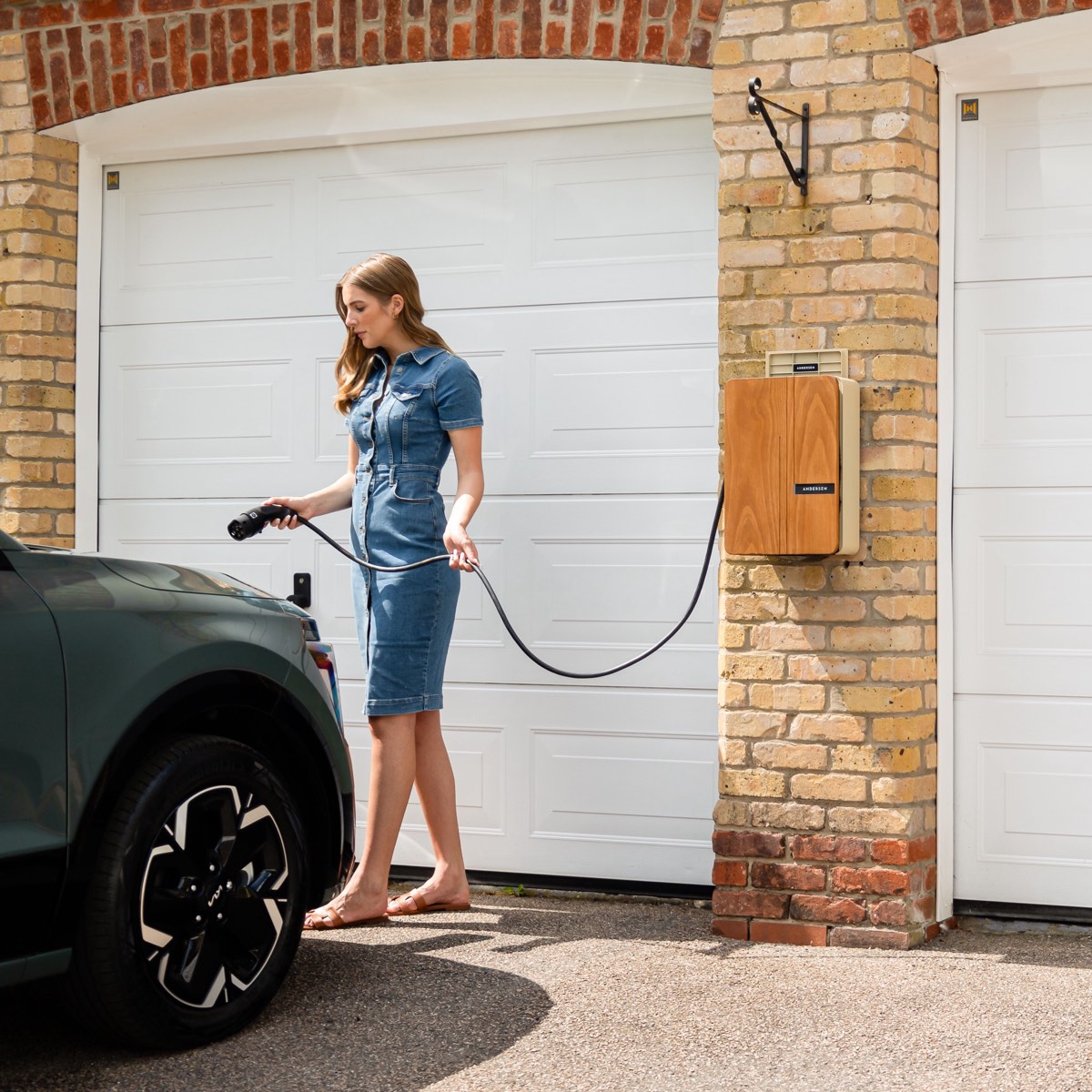
Quick answer: The UK government still offers EV chargepoint grants in 2026, worth up to £500 per socket (75% of the cost), through the Office for Zero Emission Vehicles (OZEV). The schemes still open cover renters, flat owners, households with only on-street parking, workplaces and residential landlords, and they run until 31 March 2027 (the staff and fleet grant closed to new applications in March 2026). The catch for holiday let owners: the landlord grant excludes a property "only used for holiday accommodation", and the others are for residential homes and workplaces, so a holiday let (a commercial, non-residential property) does not fit any of them. The upside is that, unlike a private home, a holiday let charger can pay for itself through guest billing, which is arguably why it sits outside a scheme designed to help people who can't otherwise recoup the cost.
If you're putting an EV charger in a holiday let, it's natural to ask whether you can get a government grant towards it. The honest answer is no, not through the current schemes, and this guide explains which grants exist, who they're actually for, why a holiday let falls outside them, and an important warning about claiming a grant you're not eligible for.
A note before we start: grant rules, amounts and deadlines change, and several changed as recently as April 2026, so always confirm the current position on GOV.UK before acting. This is general information, not financial advice.
The EV charger grants available in 2026
There are several OZEV grant schemes, though the landscape shifted in 2026: some schemes closed to new applications on 31 March 2026, while others were extended to 31 March 2027 with the rate raised from £350 to £500 per socket. The schemes are claimed through an OZEV-authorised installer as part of the installation, and all require an approved chargepoint and installer. Here's the current picture.
Still open (to 31 March 2027)
EV chargepoint grant for renters and flat owners
- What: 75% off the cost to buy and install a chargepoint socket, up to £500.
- Who: people who rent a residential property, or own and live in a flat (including shared ownership). You need an eligible electric vehicle and private, off-street parking you have the right to use.
- This is the main grant for individuals. It deliberately excludes people who own a house with their own freehold driveway, who lost eligibility in April 2022.
On-street parking (cross-pavement) grant
- What: up to £500 towards a chargepoint where an approved cross-pavement solution (a cable channel or "gully") is installed, with council approval.
- Who: households without off-street parking, filling the gap that previously excluded anyone without a driveway.
Workplace Charging Scheme
- What: up to £500 per socket, up to 40 sockets, so up to £20,000 per business.
- Who: businesses, charities and public-sector organisations installing chargepoints for staff and fleet use at a workplace. There is a separate education-institution version (currently up to £2,000 per socket).
EV chargepoint grant for landlords
- What: 75% off the cost of a chargepoint socket, up to £500 per socket, for up to 200 sockets.
- Who: residential landlords registered at Companies House or for VAT, for private off-street parking their tenants can use.
- The catch: the scheme rules exclude a property that is "only used for holiday accommodation". A property let mainly as someone's home and only occasionally for holidays may qualify, but check with OZEV or an authorised installer before assuming so.
Closed to new applications (since 31 March 2026)
Some schemes that previously ran have now closed, including the staff and fleets infrastructure grant. If you see these referenced on older pages as available, check the current status on GOV.UK before relying on them, because the information online lags behind the closures.
Why a holiday let doesn't qualify
Look across all of those schemes and a pattern is clear: every one is aimed at a residential home (a place someone lives, whether they rent or own it), a residential let (the landlord grant) or a workplace (where staff and fleets charge). A holiday let is none of these. It's a commercial, short-stay property that isn't anyone's residence and isn't a workplace, so it falls outside the eligibility criteria for each scheme.
The landlord grant is the one that looks closest, and its rules exclude holiday lets in so many words: a property "only used for holiday accommodation" is not eligible. The other schemes are defined around residential and workplace use, and a holiday let doesn't meet those definitions. The renter and flat-owner grant requires you to rent or live in the property. The Workplace Charging Scheme is for staff and fleets. The on-street grant is for someone's home without a driveway. A guest paying to stay a few nights is none of these.
There's a logic to it, too. These grants exist to help people who can't otherwise recover the cost of a charger: someone renting a flat gets no business income from charging their own car, so the state shares the cost to encourage EV uptake. A holiday let is different. The charger is a commercial amenity that can generate income, which is arguably why public funding designed for non-commercial situations doesn't extend to it. (That's our reading of the policy intent rather than a stated government reason, but it's consistent with how the schemes are framed.)
Important: don't claim a grant you're not eligible for
This matters, so it's worth being blunt about it. Because some schemes sound like they might stretch to a holiday let, owners sometimes wonder if they can claim under one heading or another. Be careful here.
Grant applications require you to confirm you meet the eligibility criteria, and the schemes include audit and verification provisions. Claiming a grant your property isn't eligible for, for example treating a holiday let as a residential home or a workplace, risks the grant being reclaimed, and could create problems with the installer who submits the claim. It's also worth knowing that some schemes closed to new applications in March 2026, so a scheme an old article says you could use may no longer be open at all. If you're in any doubt about whether a specific scheme applies to your situation, confirm with OZEV or an authorised installer before applying, rather than assuming.
The upside: a holiday let charger pays for itself
Here's the part that reframes the whole thing. The reason a grant matters so much for a private home is that the charger is a pure cost: you pay to install it and you pay for the electricity, with nothing coming back. A holiday let charger is the opposite. It's an amenity guests will pay to use.
With a billing platform, you charge guests per kWh for the electricity they use. You're not absorbing their charging on your own bill, and you can set a rate that recovers a margin on top, which over time contributes towards the cost of the charger itself. The mechanism that makes a holiday let ineligible for a grant, that it's a commercial, income-generating property, is the same mechanism that lets the charger pay for itself in a way a home charger never can. You don't get £500 off up front, but you get an amenity that earns rather than just costs.
That's exactly what GuestCharge is built for: guests scan a QR code and pay per kWh by card, with the money going to you, no app and no monthly fee. For the fuller picture of what a charger actually costs to install and how the numbers work for a let, see our guide to EV charger costs for holiday lets.
The bottom line
UK EV charger grants in 2026 are worth up to £500 per socket and run until March 2027, but they're built for residential homes, residential landlords and workplaces, and the landlord grant excludes holiday accommodation, so a holiday let doesn't qualify under any of the current schemes. Don't try to claim one by treating your let as something it isn't, because grants claimed without eligibility can be reclaimed. The better way to think about it: a holiday let charger isn't a cost you need subsidising, it's an amenity that pays for itself through guest billing, which is the opposite of the situation the grants were designed for.
Continue reading
7 min read
EV Charging for Small Businesses and Hospitality (2026)
Hotels, B&Bs, pubs and small venues can let guests charge and pay per kWh, without commercial charge-point software.
5 min read
Does Offering EV Charging Affect Your Holiday Let Insurance?
Adding a charger is a disclosure point: what to tell your insurer, the liability cover to confirm, and the records to keep.
13 min read
How to Start a Holiday Let in the UK (2026 Guide)
A step-by-step guide to property, planning, licensing, the post-FHL tax rules, mortgages, and the amenities that win bookings.
Sources
- GOV.UK / OZEV, Electric Vehicle Chargepoint Grant for renters and flat owners — 75% / up to £500, eligibility, extended to 31 March 2027
- GOV.UK / OZEV, Workplace Charging Scheme — up to £500 per socket, 40 sockets, rate change 1 April 2026
- GOV.UK / OZEV, EV chargepoint grant for landlords — 75% / up to £500 per socket, up to 200 sockets, open to 31 March 2027, excludes a property "only used for holiday accommodation"
- GOV.UK, Electric vehicle chargepoint grants — current schemes, extended for a final year to 31 March 2027 (page updated 1 April 2026)
- GOV.UK / OZEV, Electric vehicle infrastructure grant for staff and fleets — closed to new applications 31 March 2026
- GOV.UK / OZEV, on-street (cross-pavement) chargepoint grant; education-institution scheme (up to £2,000 per socket from April 2026)
- Office for Zero Emission Vehicles, changes to home and workplace grants from 1 April 2026 (£350 to £500 per socket; several schemes closed to new applications)
Written by the founders of GuestCharge. This is general information, not financial or legal advice. Grant eligibility, amounts and deadlines change frequently (several schemes changed or closed in March/April 2026), so confirm the current position with GOV.UK and an OZEV-authorised installer before making any decision or application.