Can I Charge My EV at a Holiday Cottage?

Written by Billy Karidis, Co-founder, GuestCharge
Last updated: 7 June 2026 · 5 min read
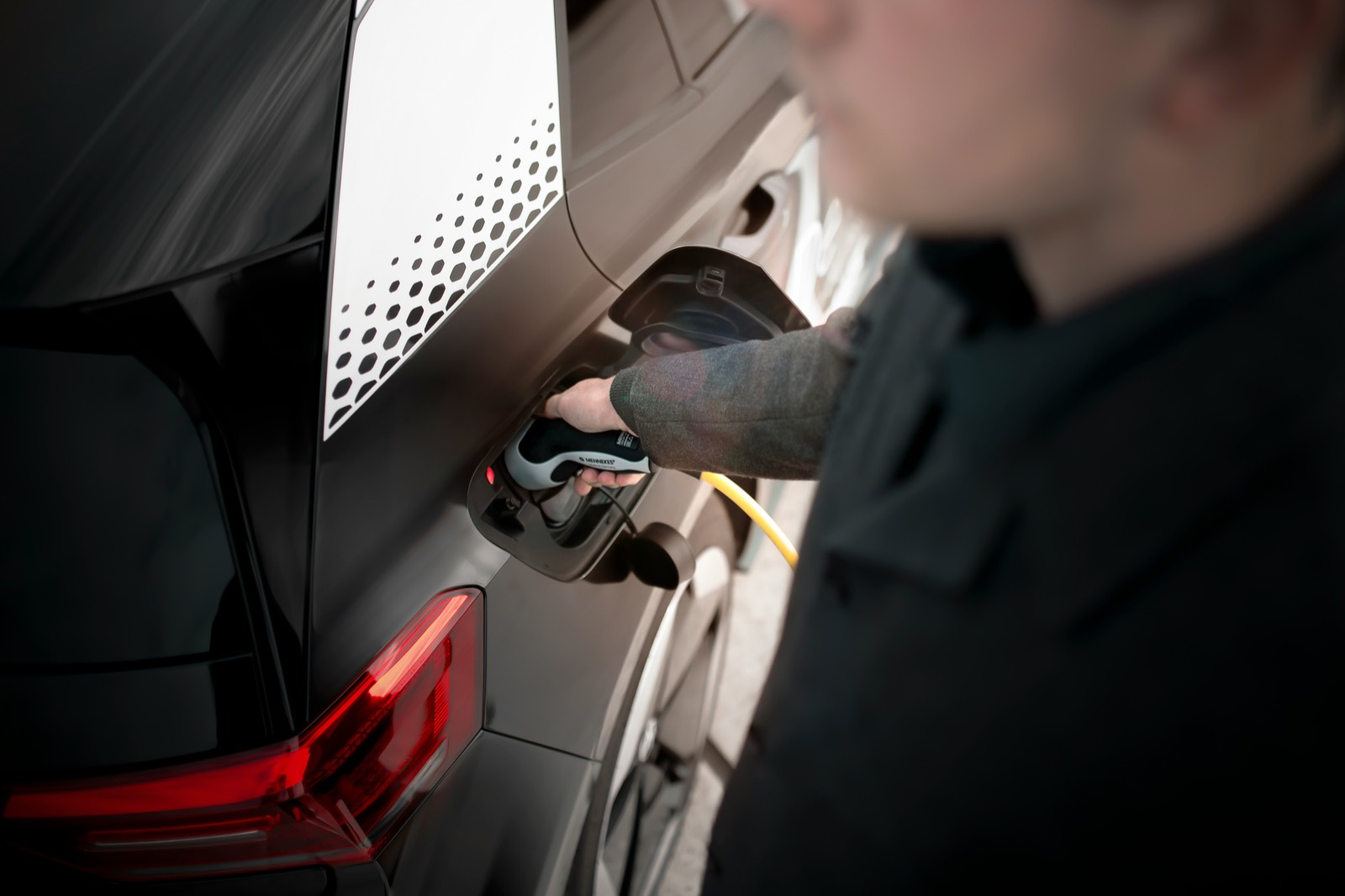
Quick answer: Sometimes — it depends on the cottage. A growing number of UK holiday cottages now have an EV charger, and where they do you'll usually pay the owner per kWh for the electricity you use, often by scanning a QR code at the charger. Always check the listing or ask the host before you book, because charging is not yet standard everywhere.
If you drive an electric car, "will I be able to charge?" is now one of the first questions when booking a self-catering break — especially in rural and coastal areas where public chargers are sparse. Here's what to expect, and how to make sure you're not caught out.
How to tell if a cottage has charging
- Check the amenities. On Airbnb, Booking.com and most cottage agencies, EV charging is a listed amenity you can filter for.
- Read the description. Hosts who offer charging usually mention it, including whether it's a dedicated EV charger or just an outdoor socket.
- Ask before booking. If it's not stated, message the host. Don't assume a standard 3-pin outdoor socket is suitable for routine EV charging — many hosts don't permit it, and it's slow.
What you'll typically pay
Where a cottage has a proper EV charger, the host is reselling electricity to you, and UK rules shape what they can charge:
- Under Ofgem's Maximum Resale Price rules, a host can't charge you more per unit than their own electricity supplier charges them. So a fair per-kWh rate — not a marked-up one — is what you should expect to see.
- Many hosts now bill per kWh actually used, so you only pay for the energy you put in your car. That's fairer than a flat fee if you're only topping up.
If a host bills you based on a meter reading, that meter should be a certified billing meter (under the Measuring Instruments Regulations 2016). Reputable setups handle this for you behind the scenes.
How paying usually works
At cottages using a modern guest-charging system, it's deliberately simple:
- You scan a QR code at the charger with your phone.
- You pay by card for the electricity you use — no app to download and no account to create.
- You plug in and charge, and you get a receipt.
This is exactly the experience platforms like GuestCharge are built to provide, so guests can charge without any awkward "how much do I owe you?" conversation at checkout.
Tips for charging on a self-catering stay
- Confirm the connector and speed. Most home/holiday-let chargers are 7kW Type 2 — fine for overnight, slower than a public rapid.
- Plan your arrival charge. If the cottage is remote, know where the nearest public charger is in case you arrive low.
- Don't rely on a 3-pin socket unless the host explicitly says it's OK — it's slow and not designed for regular EV charging.
- Be considerate on shared sites. At multi-unit complexes, unplug once you're topped up so others can charge.
For cottage owners reading this
If you own a holiday cottage and guests keep asking to charge, you can offer it and bill fairly for it without the hassle of meter reads or awkward money chats. See how an EV charger works for holiday lets, our complete 2026 guide for owners, or how to bill guests per kWh.
The bottom line
You can often charge your EV at a holiday cottage, but it isn't guaranteed — check the listing and ask the host. Where charging is offered, expect to pay a fair per-kWh rate, frequently via a simple QR-code-and-card system that bills you only for what you use.
Frequently asked questions
Can I charge my EV at any holiday cottage?
Not always — it depends on the cottage. A growing number of UK holiday cottages now have an EV charger, but it isn't standard everywhere. Check the amenities and description on the listing, and message the host before you book if it isn't stated.
How much does it cost to charge at a holiday cottage?
Where a cottage has a proper EV charger, you'll usually pay the host per kWh for the electricity you use. Under Ofgem's Maximum Resale Price rules, a host can't charge you more per unit than their own supplier charges them, so you should expect a fair per-kWh rate rather than a marked-up one.
How do I pay for charging at a holiday cottage?
At cottages using a modern guest-charging system you scan a QR code at the charger with your phone, pay by card for the electricity you use, and get a receipt. There's usually no app to download and no account to create.
Can I use a normal 3-pin socket to charge my EV at a cottage?
Only if the host explicitly says it's allowed. A standard 3-pin outdoor socket is slow and not designed for routine EV charging, and many hosts don't permit it. Where a cottage offers charging, it's usually a dedicated 7kW Type 2 charger, which is fine for charging overnight.
How do I know a cottage's charging meter is accurate?
If a host bills you from a meter reading, that meter should be a certified billing meter under the Measuring Instruments Regulations 2016. Reputable guest-charging setups handle this for you behind the scenes, so the amount you pay reflects the energy you actually used.
Continue reading
7 min read
EV Charging for Small Businesses and Hospitality (2026)
Hotels, B&Bs, pubs and small venues can let guests charge and pay per kWh, without commercial charge-point software.
5 min read
Does Offering EV Charging Affect Your Holiday Let Insurance?
Adding a charger is a disclosure point: what to tell your insurer, the liability cover to confirm, and the records to keep.
13 min read
How to Start a Holiday Let in the UK (2026 Guide)
A step-by-step guide to property, planning, licensing, the post-FHL tax rules, mortgages, and the amenities that win bookings.
Sources
- Ofgem, "Reselling gas and electricity: Maximum Resale Price direction Call for Input" (October 2025)
- Ofgem, "Maximum Resale Price of Gas and Electricity — direction issued 14 March 2014" (PDF)
- Measuring Instruments Regulations 2016 (SI 2016/1153) — legislation.gov.uk
- SMMT, "UK new car market breaches two million as almost one in four buyers go electric" (January 2026)
Written by the founders of GuestCharge based on primary UK regulatory sources. Not legal advice — always check the listing or ask the host, and for specific questions consult Ofgem or your local Trading Standards office.